
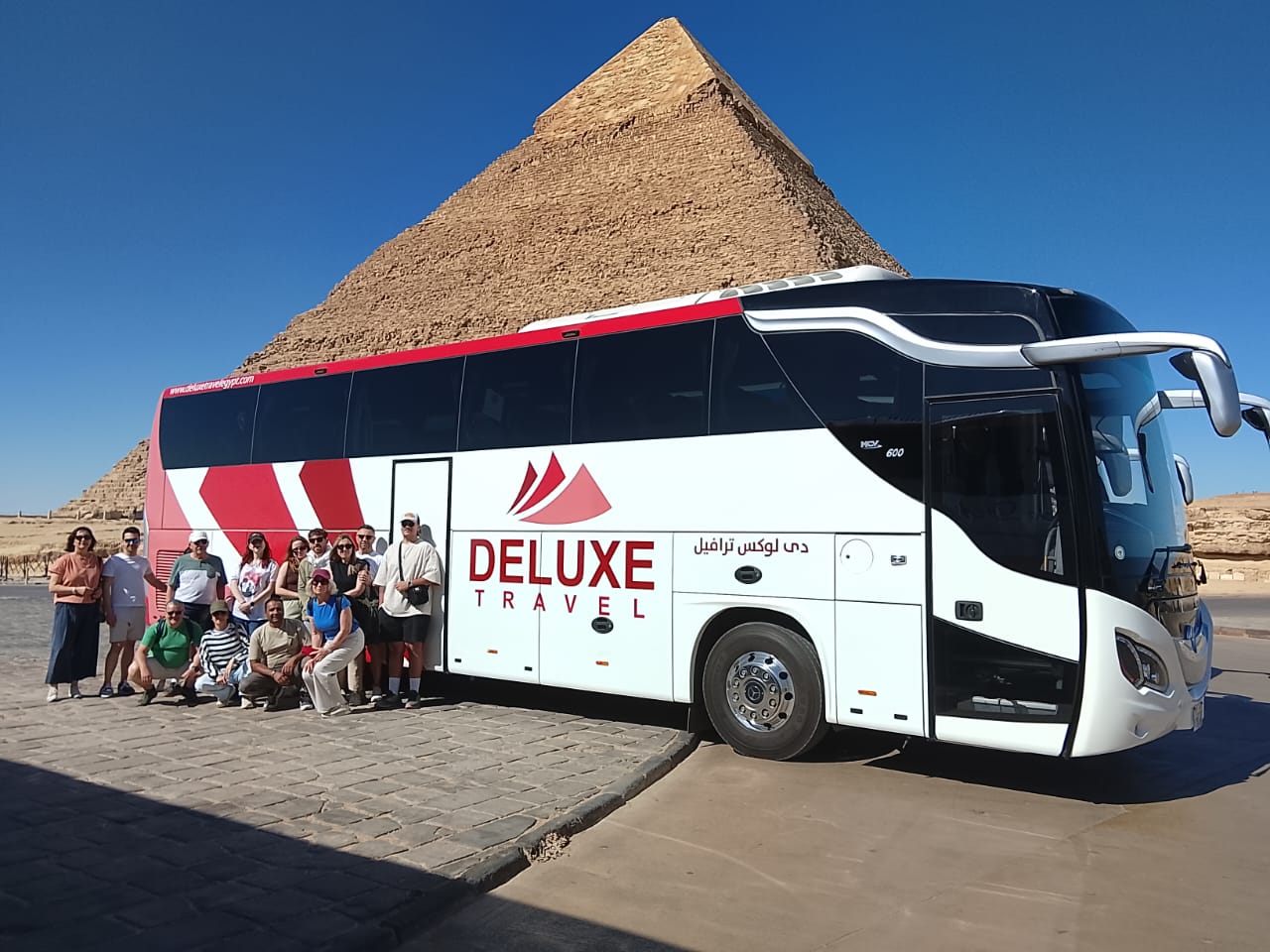
Is Egypt safe to visit? It is the first question many travellers ask, and the honest answer is yes, for the main tourist areas, as long as you plan sensibly. Millions of visitors see the pyramids, cruise the Nile and relax on the Red Sea every year. This guide explains what official travel advice actually says, which areas to avoid and the everyday things that matter far more on a real trip.
At a glance
- US advice: Level 2, “Exercise Increased Caution”, for Egypt as a whole
- UK advice: no warning against Cairo, Giza, Luxor, Aswan or Abu Simbel
- Areas to avoid: North Sinai, the Libyan border zone and remote parts of the Western Desert
- Crime: described by the UK government as “generally low”
- Biggest everyday risks: traffic, heat, touts and overcharging
- Tourist police: dial 126
The short answer
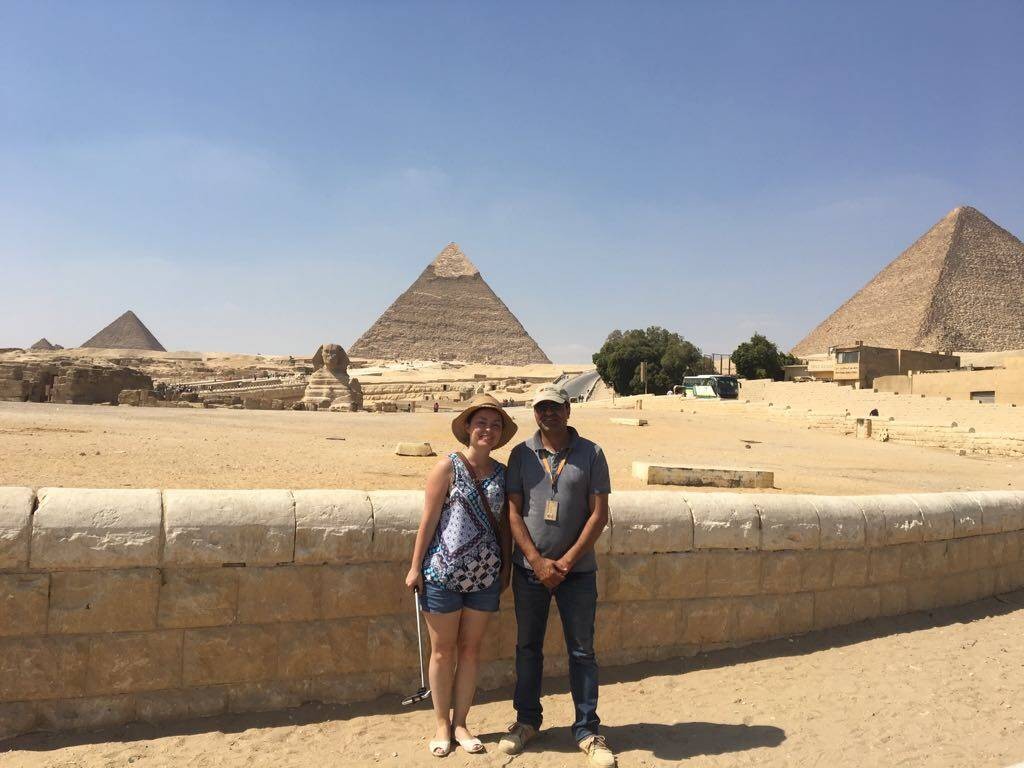
For the classic Egypt trip of Cairo, Giza, Luxor, Aswan, Abu Simbel, a Nile cruise and the Red Sea resorts, Egypt is generally safe for visitors. Security is visible at major sites, hotels and airports, and serious incidents involving tourists are rare. However, like any country, Egypt has areas that official advice says to avoid, and everyday issues such as busy roads and persistent touts. Knowing both makes the difference between a stressful trip and a relaxed one.
What the US and UK governments say
Government travel advice is the most reliable starting point, because it is updated whenever the situation changes.
- United States: the State Department rates Egypt as Level 2: Exercise Increased Caution, the second of four levels. It flags terrorism risk, especially in parts of Sinai, and advises using licensed tour companies in the Western Desert.
- United Kingdom: the Foreign, Commonwealth & Development Office (FCDO) advises against travel only to specific areas, listed below. Its advice does not cover Cairo, and it names Luxor, Aswan, Abu Simbel and the Valley of the Kings as exceptions to its Western Desert warning.
Both governments also say that terrorists may try to carry out attacks, including in places visited by foreigners. This is a general warning that they give for many countries. In practice, it is one more reason to travel with a licensed operator who knows local conditions.
Areas to avoid, and areas that are fine
According to the UK FCDO, at the time of writing:
- Avoid all travel: the North Sinai Governorate, and within 20 km of the Egypt–Libya border.
- Avoid all but essential travel: the northern part of South Sinai beyond the St Catherine–Nuweiba road (the coasts are excepted), the area east of the Suez Canal in Ismailia, the Hala’ib Triangle and Bir Tawil, and much of the remote Western Desert.
- Named as exceptions in the Western Desert: Luxor, Aswan, Abu Simbel, the Valley of the Kings, Fayoum, the White and Black Deserts, the Bahariya oasis town and Siwa town, among others.
In other words, the places most visitors go, including the pyramids, the Grand Egyptian Museum, Luxor, Aswan, Fayoum and the White Desert, are outside the warning zones. Always check the latest advice before you book, because it can change.
Everyday risks and how to handle them
Touts and overcharging
The most common problem is not danger but hassle. At the pyramids and busy markets, people offer camel rides, “free” gifts or unofficial guiding. Therefore, agree every price before you start, say a friendly but firm “la, shukran” (no, thank you) and keep walking. A private guide handles most of this for you.
Traffic and road safety
The UK government notes that road accidents are common. As a result, avoid self-driving, use a reputable driver, wear a seatbelt and avoid long road journeys at night. On a private tour you travel with your own driver, so you never need to drive yourself.
Heat and health
From May to September, Luxor and Aswan can pass 40 °C. Start early, carry water, use sun cream and drink bottled or filtered water rather than tap water.
Petty crime
The FCDO describes the crime rate as generally low and pickpocketing as rare. Nevertheless, take normal precautions: use the hotel safe, carry a copy of your passport and keep your phone out of sight in crowds.
Nile cruises and balloon flights
UK advice mentions past accidents on some Nile cruises and asks travellers to check balloon operators before booking. Choose well-known ships and ask your agent which balloon company they use.
Is Egypt safe for women?
Many women travel in Egypt alone or in pairs and have a great trip, though unwanted attention is more common than many visitors expect. Modest clothing, a confident manner and a trusted guide or driver help a lot. For detailed advice, read our honest guide to solo female travel in Egypt.
Travel with peace of mind
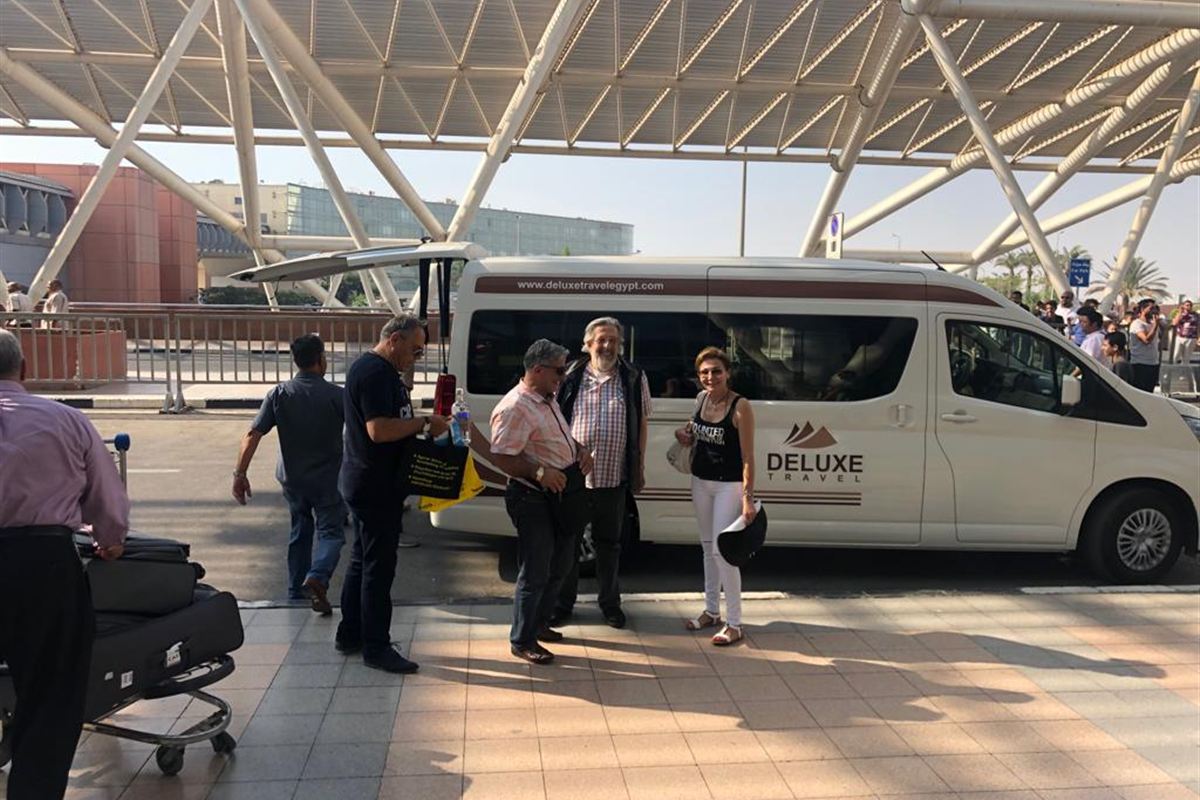
Deluxe Travel Egypt is a Category A licensed tour operator (licence No. 1337) based in Giza. On our private tours, an Egyptologist guide and driver are with you from airport pickup to drop-off.
Practical safety tips
- Check official advice before you book and again before you fly.
- Book an airport pickup for your arrival, especially at night.
- Use a licensed operator for desert trips, as the US government recommends.
- Dress modestly in cities and at religious sites.
- Carry small notes for tips so you never have to show a full wallet. Our Egypt tipping guide explains how much to give.
- Save the tourist police number: 126.
- Get travel insurance that covers medical treatment.
Frequently asked questions
Is Egypt safe for tourists right now?
The main tourist areas are generally safe. The US rates Egypt at Level 2 (“Exercise Increased Caution”), and the UK warns only against specific regions that most tourists do not visit.
Is Cairo safe?
Yes, for visitors taking normal city precautions. The biggest challenges are traffic and touts rather than crime.
Is it safe to go to Sharm el Sheikh and Hurghada?
The Red Sea resorts are not covered by the UK’s travel warnings. However, the UK advises checking the safety standards of boat and diving operators.
Is the White Desert safe?
The UK names the White and Black Deserts and the Bahariya oasis town as exceptions to its Western Desert warning. The US advises going with a licensed tour company, which is how our desert trips run.
Is Egypt safe for families?
Yes. Many families visit Egypt; private tours let you set the pace and take breaks from the heat.
Sources & further reading
- GOV.UK – Egypt travel advice (FCDO)
- GOV.UK – Egypt: safety and security
- US Department of State – Egypt travel advisory
Written by the Deluxe Travel Egypt team and checked against the official advice above in November 2026. Travel advice changes, so always read the latest version from your own government before you travel. Last updated November 2026.
Have a question before you book?
Ask us anything about travelling in Egypt. Our team in Giza answers honestly, with no pressure to book.
Send an enquiry WhatsApp +201000569259 WhatsApp +201221418581