
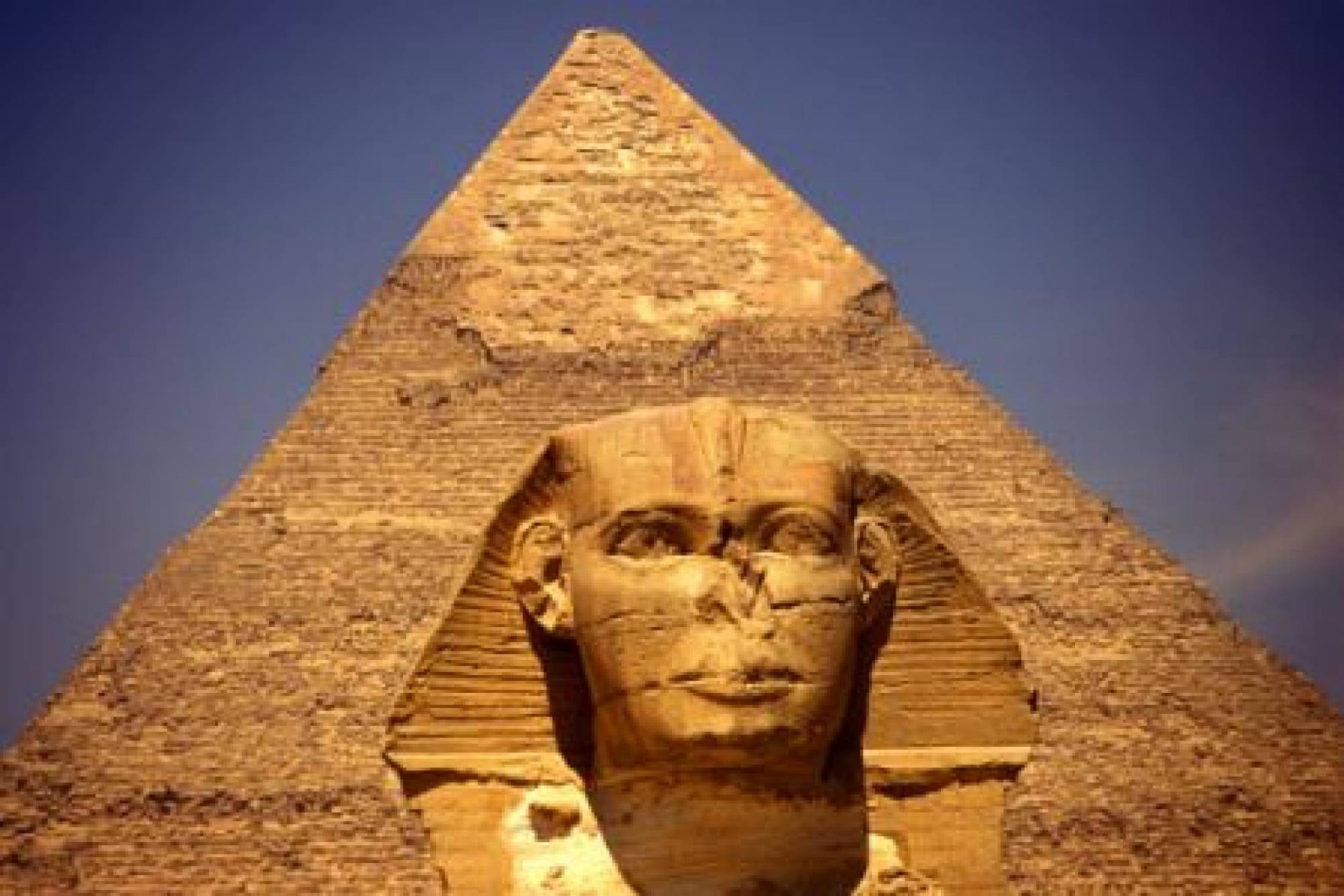
Seeing the pyramids for the first time is a moment most people never forget. A little planning makes sure it is a good memory: the plateau is large, the sun is strong and the site has changed a lot recently, with a new entrance and electric shuttle buses. This practical guide explains how to visit the Giza Pyramids smoothly, from tickets and timing to the best viewpoints.
At a glance
- Location: Giza plateau, on the western edge of greater Cairo
- Time needed: 3–4 hours for the plateau; a full day with the Grand Egyptian Museum
- Best time: first thing in the morning, or late afternoon
- Getting around: electric buses link the visitor centre and the main sights
- Extra tickets: inside the Great Pyramid and some other monuments
- Bring: water, sun hat, sunscreen, comfortable shoes and a card for payments
The new entrance and electric buses
Since 2025 the Giza plateau has been reorganised. The old entrance by the Mena House hotel has been replaced by a main entrance and visitor centre on the south side, off the Fayoum road, and private cars and tour coaches no longer drive around the monuments. Instead, electric buses carry visitors between the visitor centre and the main stops: the Great Pyramid, the panoramic viewpoint and the Sphinx. The aim is to reduce congestion and pressure from vendors. Arrangements are still evolving, so a guide who visits daily is a real advantage.
Tickets
The general ticket gives access to the plateau, the outside of the pyramids, the Sphinx and the valley temple of Khafre. Separate tickets are needed to go inside the Great Pyramid and some other monuments, such as the pyramids of Khafre or Menkaure when open. Prices are set by the Ministry of Tourism and Antiquities and change from time to time, and many sites now prefer card payments, so bring a bank card. On our guided tours we buy the tickets for you.
When to visit the Giza Pyramids
If you want to visit the Giza Pyramids at their best, arrive as early as possible. In the first hours after opening the light is beautiful, the temperatures are pleasant and the site is quieter. From late morning, tour groups arrive and, from April to October, the heat can be intense. Late afternoon is the second-best option, especially for photographs at the panoramic viewpoint. October to April is the most comfortable season overall.
Plan your visit
Visit with a licensed Egyptologist, private transport and tickets arranged for you.
A simple route around the plateau
- The Great Pyramid of Khufu. Walk around its base to appreciate the size of the blocks, and go inside if you have the ticket. Read how it was built before you go.
- The cemeteries. East and west of the Great Pyramid lie streets of stone mastaba tombs of the royal family and officials.
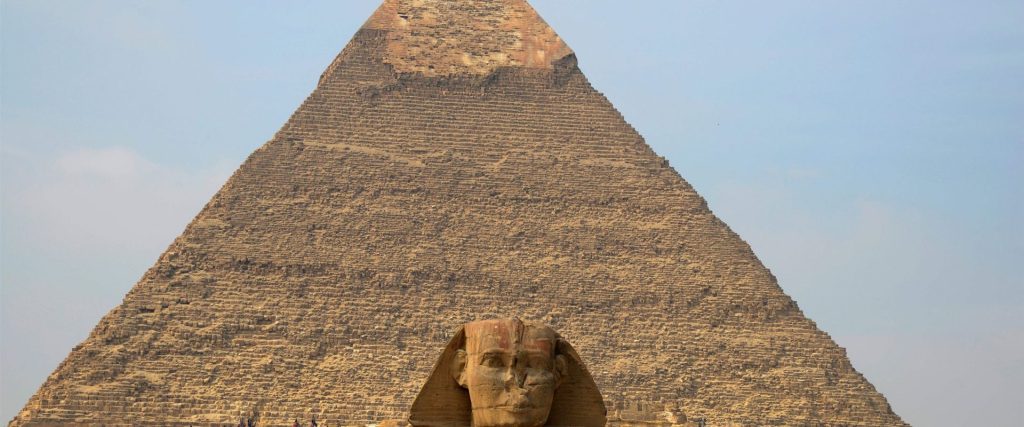
- The pyramids of Khafre and Menkaure. Khafre’s still has some of its original smooth casing at the top.
- The panoramic viewpoint. The classic photo of all the pyramids in a row.
- The Great Sphinx and the valley temple of Khafre. End here, where the causeway leads down from Khafre’s pyramid to the temple built of giant granite blocks.
Going inside the Great Pyramid
Entering the Great Pyramid is an unforgettable experience, but it is not for everyone. The ascending passage is low and steep, the Grand Gallery is narrow, and the air inside is warm and humid. There is little to see in the King’s Chamber apart from the granite sarcophagus – the experience is the point. If you are claustrophobic or have heart, knee or back problems, enjoy the pyramid from outside instead.
Camels, horses and touts
A short camel or horse ride with the pyramids behind you is a classic experience. Arrange it through your tour operator or agree the price, duration and route clearly before you mount, and choose healthy, well-cared-for animals. Inside the site you will be offered souvenirs, photos and rides. A polite but firm “la, shukran” (no, thank you) is usually enough. Whenever you visit the Giza Pyramids, travelling with a licensed guide makes all of this far easier.
What to wear and bring
- Comfortable closed shoes: the ground is sandy and uneven.
- A hat, sunglasses and sunscreen, even in winter.
- Plenty of water and a light snack.
- Light, modest clothing that covers shoulders, which also protects from the sun.
- A bank card for tickets and small notes in Egyptian pounds for tips.
Frequently asked questions
How long do I need at the Giza Pyramids?
Three to four hours is enough for the plateau, the Sphinx and the viewpoint. Add half a day if you also visit the Grand Egyptian Museum.
Can you still drive around the pyramids?
No. Since 2025, private cars and tour coaches stop at the visitor centre, and electric buses take visitors around the site.
Is it worth going inside the Great Pyramid?
For many people, yes: it is a unique experience. But the passages are steep and narrow, so it is not suitable for anyone with claustrophobia or mobility problems.
Do I need a guide at the Giza Pyramids?
It is not required, but a licensed guide explains the monuments, handles tickets and transport and keeps vendors at a distance.
Sources & further reading
- Smithsonian Magazine – A sweeping transformation is underway at the Giza plateau
- UNESCO World Heritage – Memphis and its Necropolis
- Digital Giza (Harvard University) – maps and plans of the plateau
Written by the Deluxe Travel Egypt team and checked against the published sources above. Last updated October 2026.
Make your first visit unforgettable
Private car, licensed Egyptologist and tickets arranged – just enjoy the pyramids.
Send an enquiry WhatsApp +201000569259 WhatsApp +201221418581