
Egyptian cooking rarely makes the headlines, but ask any Egyptian about food and you will hear stories of family tables, street carts and festival dishes. Traditional Egyptian food is generous, affordable and largely built on bread, beans, rice and vegetables from the Nile valley. In December 2025 UNESCO recognised its most famous dish, koshary, as part of the world’s intangible cultural heritage. Here are the dishes to try and the culture behind them.
At a glance
- National dish: koshary – rice, pasta, lentils, chickpeas, tomato sauce and crispy onions
- Breakfast: ful medames and ta’meya with fresh baladi bread
- Comfort food: molokhia, mahshi and fatta
- Sweets: om ali, basbousa, konafa, rice pudding
- Drinks: tea, karkade (hibiscus), sugarcane juice, sahlab in winter
- UNESCO: koshary was inscribed on the Intangible Cultural Heritage list in 2025
Bread: “aish” means life
In Egyptian Arabic the word for bread, aish, also means “life”. Round, puffy aish baladi made with wholewheat flour accompanies almost every meal and is used instead of cutlery to scoop up food. Indeed, bread has been at the centre of the Egyptian diet since antiquity: workers who built the pyramids received rations of bread and beer, and bakeries have been excavated in the workers’ town at Giza.
Koshary: the dish UNESCO recognised
Koshary is Egypt’s favourite street food: a layered bowl of rice, small pasta, brown lentils and chickpeas, topped with a spiced tomato sauce, a sharp garlic-vinegar dressing called da’a, optional chilli sauce and plenty of crispy fried onions. It is filling, cheap and vegetarian. Specialist koshary restaurants serve nothing else, and everyone has a favourite.
In 2025 UNESCO inscribed “koshary, daily life dish and practices associated with it” on its Representative List of the Intangible Cultural Heritage of Humanity, recognising not just the recipe but the social life around it – the shops, the families and the shared tables.
Breakfast: ful and ta’meya
The classic Egyptian breakfast is ful medames: fava beans cooked slowly until soft, then dressed with oil, cumin, lemon and sometimes tahini, tomatoes or eggs. In the morning you will see carts with large copper-bellied pots serving ful to queues of workers.
Egyptians almost always eat ful with ta’meya, the Egyptian falafel. Unlike the chickpea falafel of the Levant, Egyptian ta’meya is made from fava beans with lots of fresh herbs, which makes it bright green inside, and is often rolled in sesame seeds. Served in a pocket of baladi bread with salad and pickles, it is one of the best cheap meals in the world.
Plan your visit
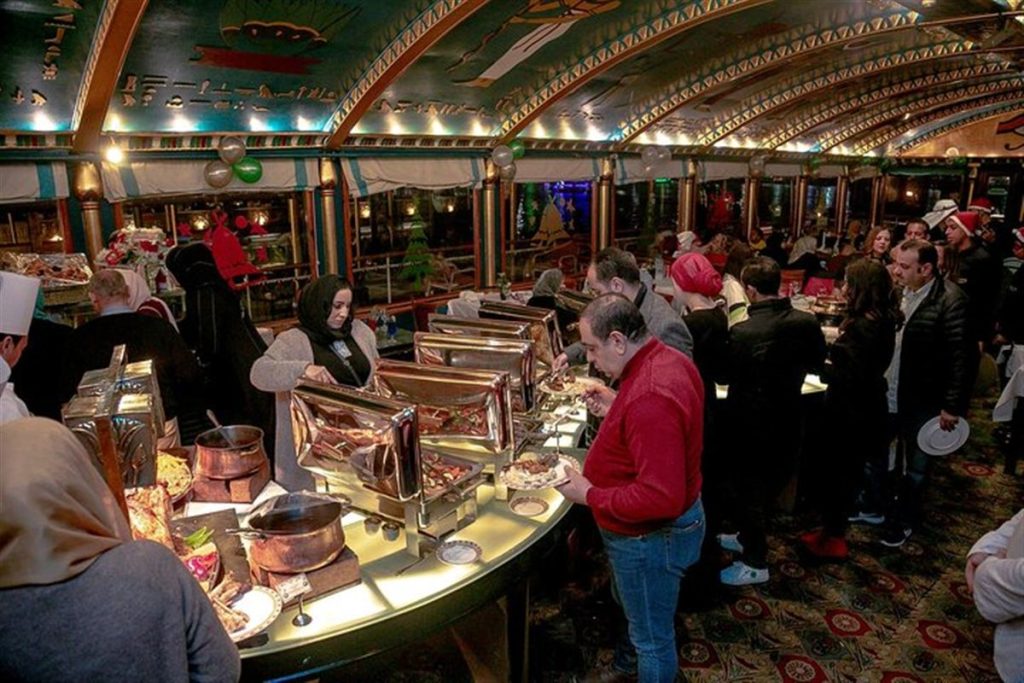
Add a taste of Cairo to your trip: a guide can include traditional food stops in your Cairo itinerary, or enjoy dinner on the Nile.
Home cooking: molokhia, mahshi and fatta
- Molokhia is a smooth green soup made from finely chopped jute mallow leaves, finished with a sizzling mix of garlic and coriander. People eat it with rice or bread, often with chicken or rabbit. Medieval chroniclers record that the Fatimid caliph al-Hakim once banned it.
- Mahshi means “stuffed”: courgettes, aubergines, peppers, cabbage and vine leaves filled with herbed rice and simmered in tomato broth. Preparing it is often a family activity.
- Fatta, layers of bread, rice and meat with garlic-vinegar tomato sauce, is the festive dish of Eid al-Adha.
- Hawawshi, spiced minced meat baked inside bread, and feteer meshaltet, a flaky layered pastry, are popular street and village specialities.
Sweets and drinks
No guide to traditional Egyptian food is complete without dessert: Egyptians have a sweet tooth. Om ali is a warm bread pudding with milk, nuts and raisins; basbousa is a syrup-soaked semolina cake; konafa, shredded pastry with cream or nuts, is a must during Ramadan; and roz bel laban is a cool rice pudding.
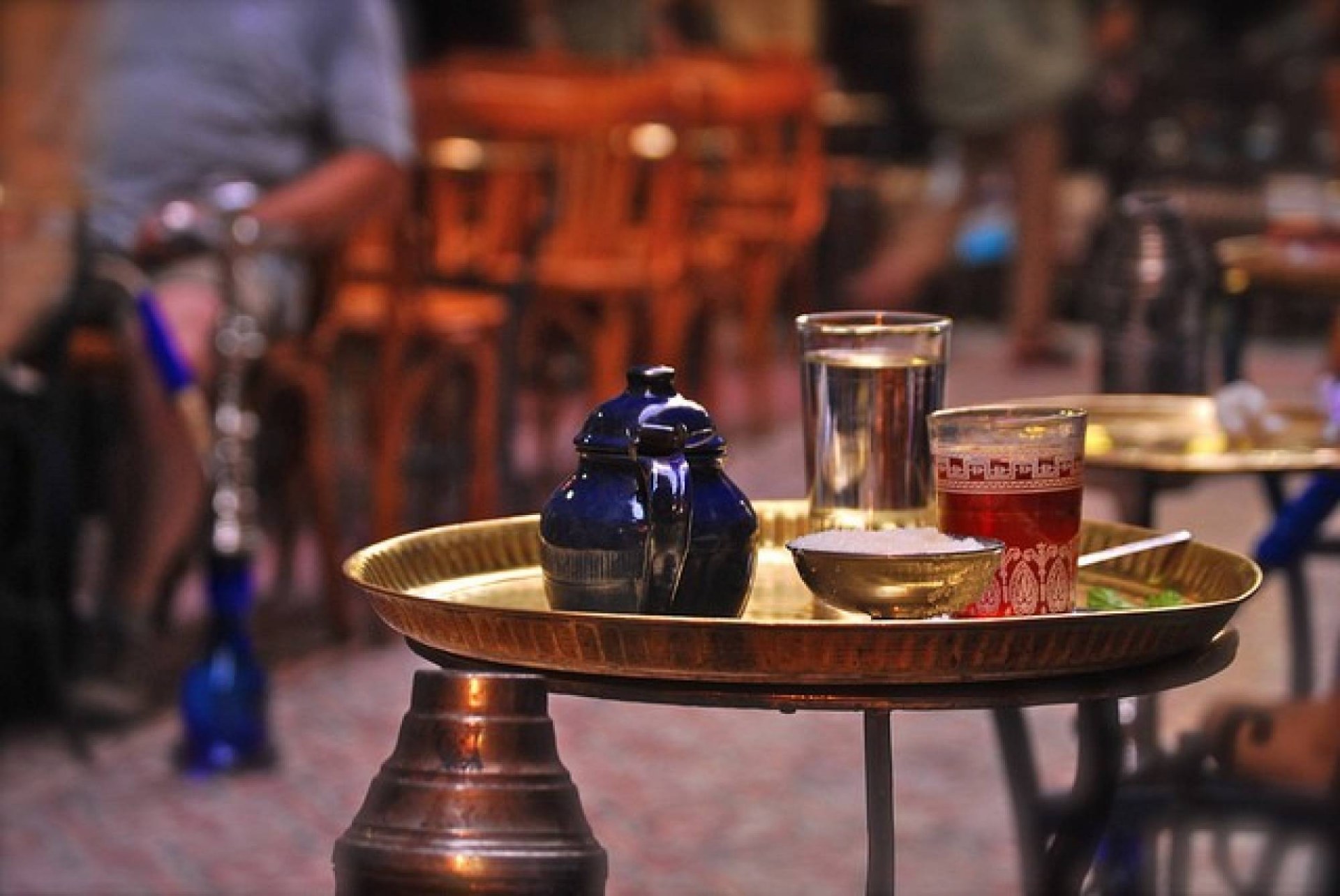
Meanwhile, tea, usually strong and sweet, is drunk all day. Try karkade, a deep red hibiscus drink served hot or cold, fresh sugarcane juice from street stalls, and in winter sahlab, a warm, thick milk drink topped with nuts.
Traditional Egyptian food, festivals and hospitality
Traditional Egyptian food is, above all, about sharing. During Ramadan, families gather at sunset for iftar, and charitable “tables of the Merciful” feed anyone passing by. At Sham el-Nessim, a spring festival that many Egyptians trace back to pharaonic times, families picnic with salted fish, spring onions and coloured eggs. And as a guest in an Egyptian home, expect to be offered far more than you can eat – refusing a second helping is almost impossible.
Tips for eating well in Cairo
- Try koshary, ful and ta’meya at busy, popular places with a high turnover.
- Drink bottled water and be cautious with raw salads at street stalls if you have a sensitive stomach.
- Many traditional dishes are vegetarian or vegan by nature: koshary, ful, ta’meya and many mahshi.
- Ask your guide for a recommendation: every Cairene has a favourite koshary shop.
Frequently asked questions
What is the national dish of Egypt?
Koshary is widely considered the national dish. It was added to UNESCO’s Intangible Cultural Heritage list in 2025.
Is Egyptian food spicy?
Generally not very hot. Dishes are seasoned with cumin, coriander, garlic and lemon, and chilli sauce is usually served on the side.
Is Egyptian food good for vegetarians?
Yes. Koshary, ful, ta’meya, many mahshi dishes and a wide range of salads and dips are vegetarian.
What is the difference between ta’meya and falafel?
Egyptian ta’meya is made from fava beans with fresh herbs, while Levantine falafel is usually made from chickpeas.
Sources & further reading
- UNESCO Intangible Cultural Heritage – Koshary, daily life dish and practices associated with it
- Smithsonian Magazine – The Layered History of Koshary, Egypt’s Most Beloved Street Food
- AERA – The Lost City of the Pyramid Builders – on bakeries and food rations at Giza
Written by the Deluxe Travel Egypt team and checked against the published sources above. Last updated October 2026.
Taste Cairo with a local
Tell us what you would like to try and we will build food stops into your private Cairo tour.
Send an enquiry WhatsApp +201000569259 WhatsApp +201221418581