
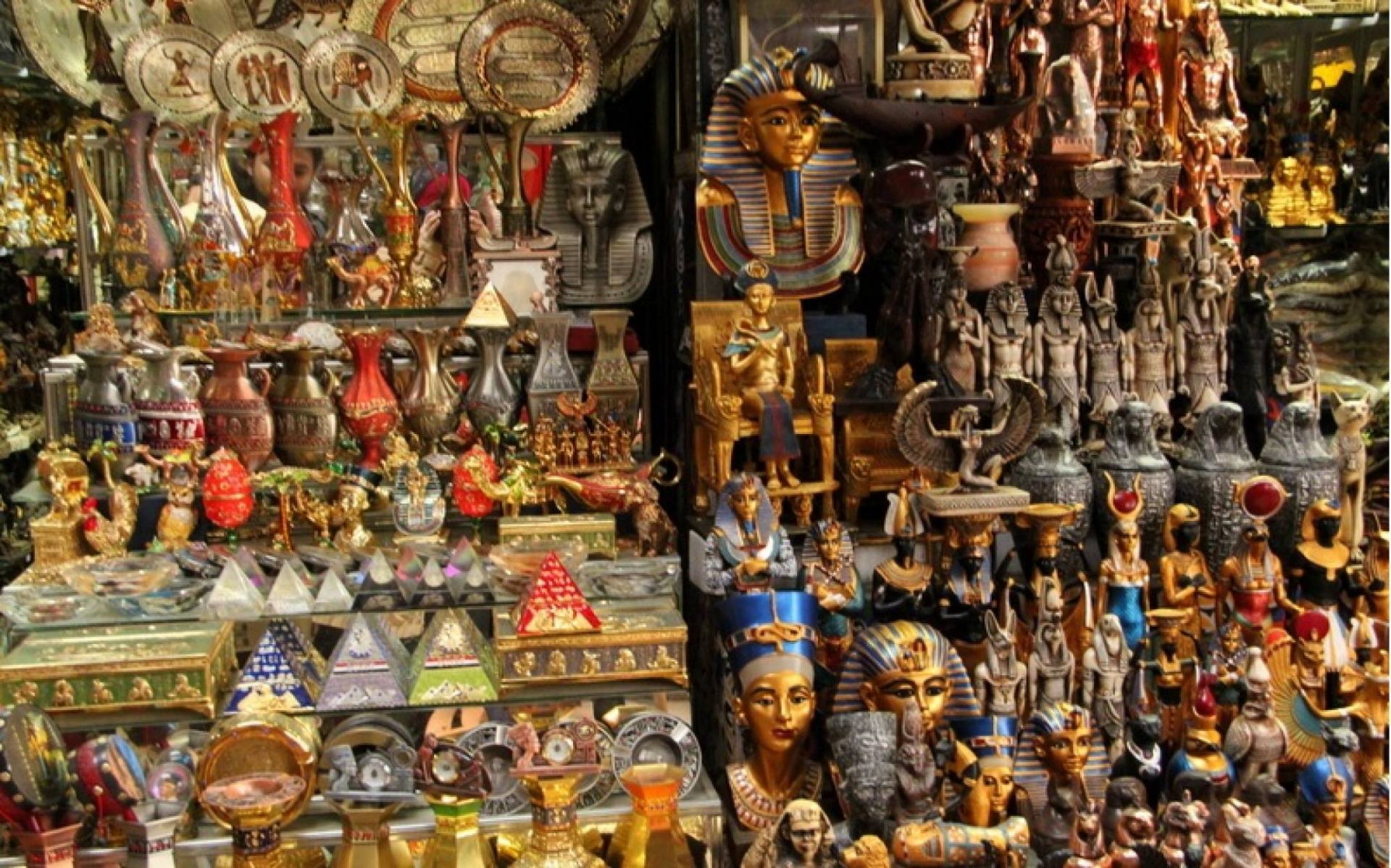
Lanterns glowing in narrow lanes, the scent of spices and perfume oils, the call of shopkeepers and the clink of tea glasses: Khan el-Khalili is one of the great markets of the Middle East and a highlight of any visit to Cairo. It is also a historic monument in its own right, part of UNESCO-listed Historic Cairo. Here is its story, what to look for and how to get the most out of a visit.
At a glance
- Founded: 1382, as a caravanserai built by the amir Jaharkas al-Khalili
- Location: the heart of Islamic Cairo, beside al-Hussein Mosque and al-Azhar
- Best for: lanterns, brass, inlay work, jewellery, spices, textiles, perfume oils
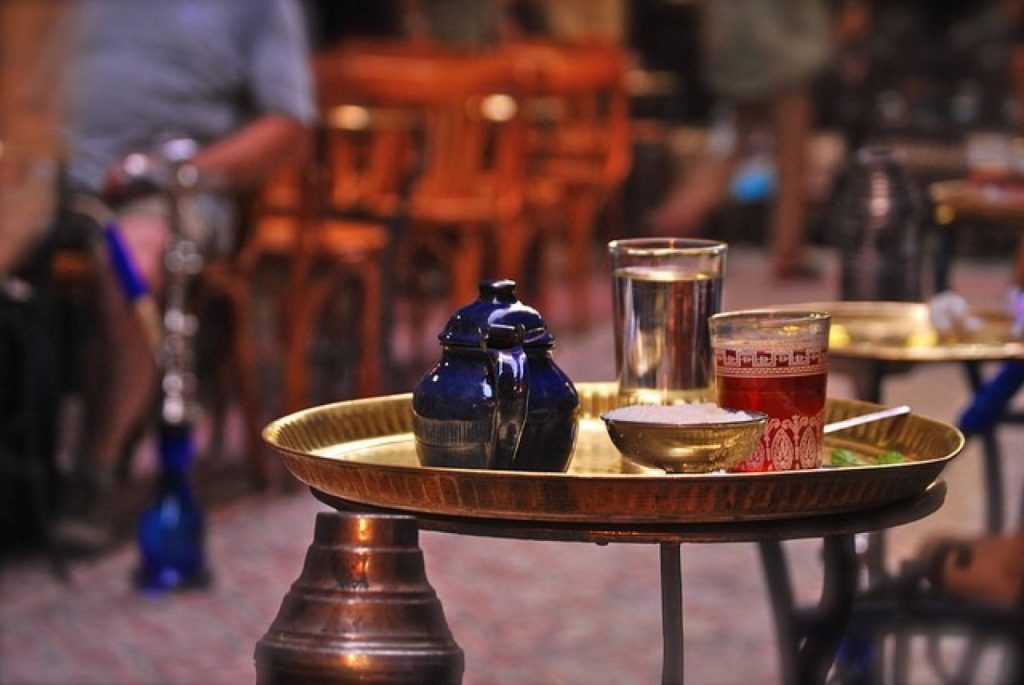
- Famous café: El Fishawy, serving tea and coffee in the bazaar for over two centuries
- Best time: late afternoon into the evening, when the lanterns are lit
From royal tombs to a merchants’ inn
The bazaar takes its name from Jaharkas al-Khalili, the master of horse of the Mamluk sultan Barquq, who in 1382 built a large khan – a caravanserai where travelling merchants could stay, stable their animals and store goods. Its site had been part of the burial ground of the Fatimid caliphs, close to their great palaces on what is now al-Muizz Street.
Later, in the early 16th century, Sultan al-Ghuri rebuilt much of the area, and some of his stone gateways still mark the entrances to the market today. Over time, therefore, the khan merged with the surrounding streets and specialised markets (souqs) to become the sprawling bazaar we know.
Crafts to look for
However, alongside the inevitable souvenirs, Khan el-Khalili and its neighbouring streets are still home to skilled craftspeople. In particular, look out for:
- Brass and copper – pierced lanterns, trays and plates, some still made in workshops in the old coppersmiths’ market on al-Muizz Street.
- Mother-of-pearl inlay – boxes, backgammon boards and mirrors inlaid with shell and bone.
- Jewellery – silver and gold, including cartouche pendants engraved with your name in hieroglyphs. Gold and silver should carry an official hallmark.
- Khayamiya – colourful appliqué textiles, best bought in the Street of the Tentmakers just south of Bab Zuweila.
- Spices, herbs and perfume oils – sold by weight from open sacks and crystal bottles.
- Glass and ceramics – hand-blown glass and painted pottery.
Plan your visit
Visit the bazaar with a local guide who knows the best workshops, combined with the Citadel and medieval Cairo.
Tea at El Fishawy
Above all, every visit should include a pause at El Fishawy, a narrow café lined with mirrors and carved wood, which has been serving customers in the bazaar for over two centuries. For example, order mint tea, Turkish coffee or a cold karkade (hibiscus) and watch the bazaar go by. The Nobel Prize-winning novelist Naguib Mahfouz, who grew up nearby and named a novel after the bazaar, was a famous regular.
How to shop and bargain in Khan el-Khalili
- Bargaining is expected in most shops, except where prices are fixed and marked. Stay friendly, smile and be ready to walk away.
- Look before you buy. Compare a few shops first. Similar items often appear in many places at different prices.
- Check quality. Real papyrus is strong and flexible; cheap imitations are often made from banana leaf and tear or crack easily. Ask about hallmarks for gold and silver.
- Carry small notes. Egyptian pounds in small denominations make things easier, although many larger shops accept cards.
- Do not feel obliged. Accepting a glass of tea does not commit you to buying.
Beyond shopping: the neighbourhood
In addition, Khan el-Khalili is the perfect base for exploring Islamic Cairo. Right beside it stands the Mosque of al-Hussein, one of the most important shrines in Cairo, and across the road is al-Azhar Mosque. A short walk north along al-Muizz Street leads to the great Mamluk complexes, and to the south lies the Wikala of al-Ghuri, a restored 16th-century merchants’ building that hosts cultural performances. Ideally, therefore, come in the late afternoon, explore the monuments in daylight and then enjoy the bazaar after dark.
Frequently asked questions
Is Khan el-Khalili safe?
Yes. It is busy and well policed. As in any crowded market, keep an eye on your belongings and politely decline unwanted offers.
What is the best time to visit Khan el-Khalili?
Late afternoon and evening, when it is cooler and the lanterns are lit. Some shops close on Sunday or for Friday prayers.
What should I buy in Khan el-Khalili?
Brass lanterns, mother-of-pearl inlaid boxes, silver or gold cartouches, spices, perfume oils and khayamiya textiles are among the best buys.
Do I have to bargain?
In most shops, yes. Bargaining is part of the culture. Where prices are fixed and displayed, they are usually not negotiable.
Sources & further reading
- UNESCO World Heritage – Historic Cairo
- Archnet – Cairo: Renewing the Historic City (free publication)
- Aga Khan Development Network – The Azhar Park Project and Darb al-Ahmar
Written by the Deluxe Travel Egypt team and checked against the published sources above. Last updated October 2026.
Shop and explore with a local
Our guides take you beyond the souvenir stalls to the craftsmen and monuments of old Cairo.
Send an enquiry WhatsApp +201000569259 WhatsApp +201221418581